
Services
Eye Care Services in Franklin Park
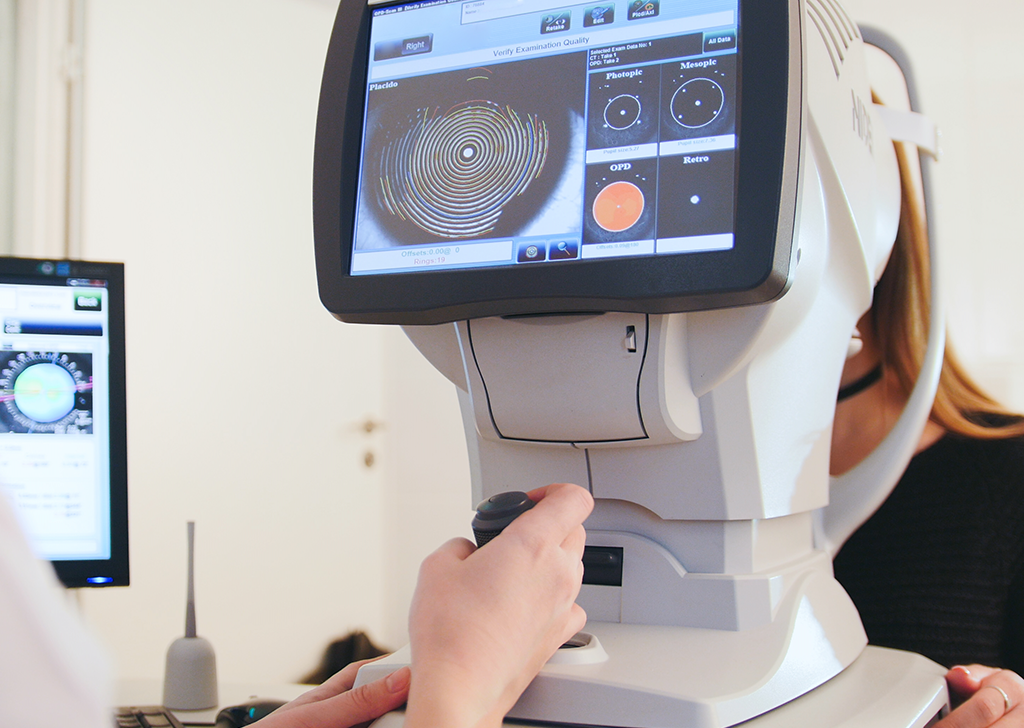
Comprehensive Eye Exam
We provide a complete assessment of the clarity, binocular vision, and health of your eyes with state of the art technology. Periodic eye and vision examinations are an important part of preventive health care. Many eye and vision problems have no obvious signs or symptoms. As a result, individuals are often unaware that problems exist. Early diagnosis and treatment of eye and vision problems are important for maintaining good vision and eye health, and when possible, preventing vision loss.
Learn More
Soft Contact Lenses
We will help fit you into the most comfortable contact lenses for your eyes. Soft contact lenses are made of soft, flexible plastics that allow oxygen to pass through to your cornea. There are a variety of different contact lenses on the market, but we will make sure to fit you into what is right for you.
Learn More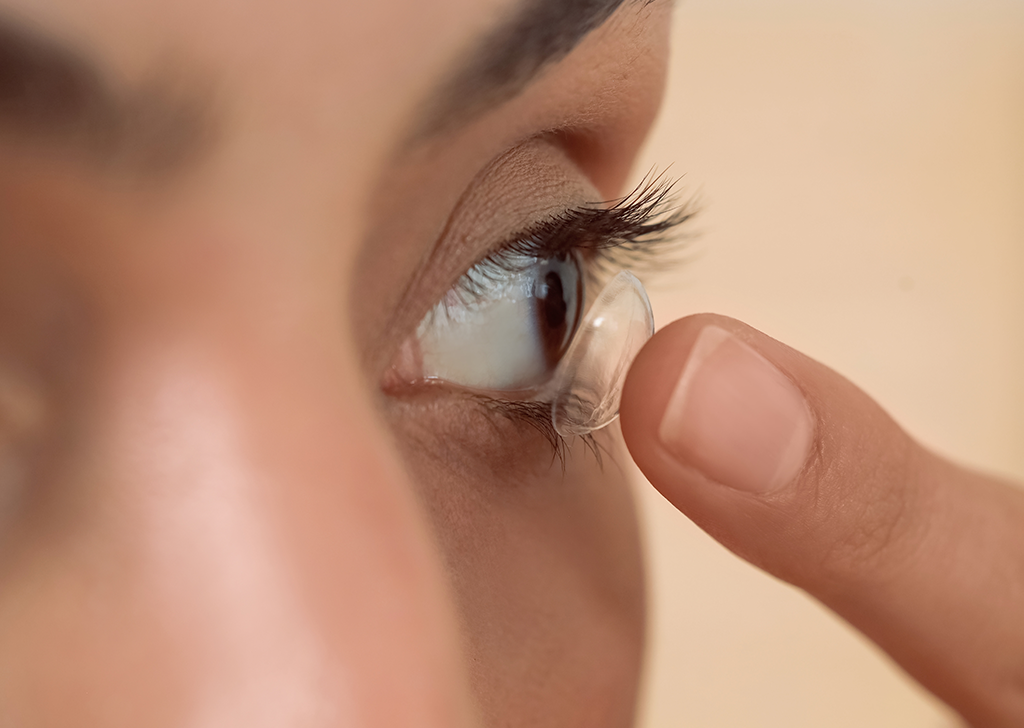
Specialty Contact Lenses
Sometimes certain conditions, such as keratoconus or dry eye, may warrant a contact lens different from traditional soft contact lenses. Specialty contact lenses include rigid gas permeable lenses, ortho-keratology lenses, hybrid lenses, and sclerals. Schedule an appointment to find out more.
Learn More
Myopia Management
Myopia is a condition known as “near-sightedness” and it is also becoming more and more common. Myopia management can help slow the often rapid visual deterioration caused by myopia in children. High myopia can make you more likely to have glaucoma, retinal detachments, and more as an adult. It is important to be proactive in limiting the extent of your child’s myopia. Contact us for a consultation today.
Learn More
Dry Eye Treatment
Dry eye is a chronic, progressive condition that is becoming more prevalent in all ages. There are many factors that can contribute to dry eye such as genetics, environmental factors, certain medications, allergies, and more. There are certain tests that we may do to find out what type of dry eye you have and where to start with treatment. Treatment may be as simple as artificial eye drops to punctal plugs that stop your tears from draining so quickly.
Learn More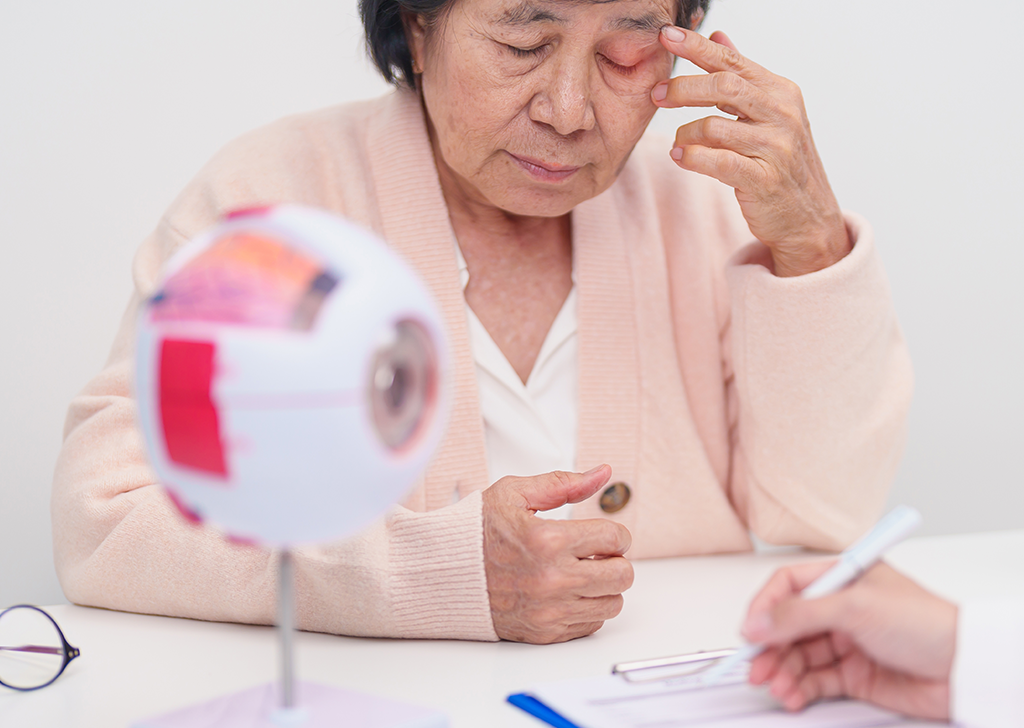
Diabetic Eye Exams
If you are diabetic, it is important you have an annual dilated eye exam to ensure that there is no bleeding in the back of your eyes. This is called diabetic retinopathy and it is one of the leading causes of preventable blindness in the United States. Diabetes also increases your risk of glaucoma and other eye problems. You may not notice that your eyes are damaged until the problem is very bad. Your doctor can catch problems early if you get regular eye exams. This is very important.
Learn More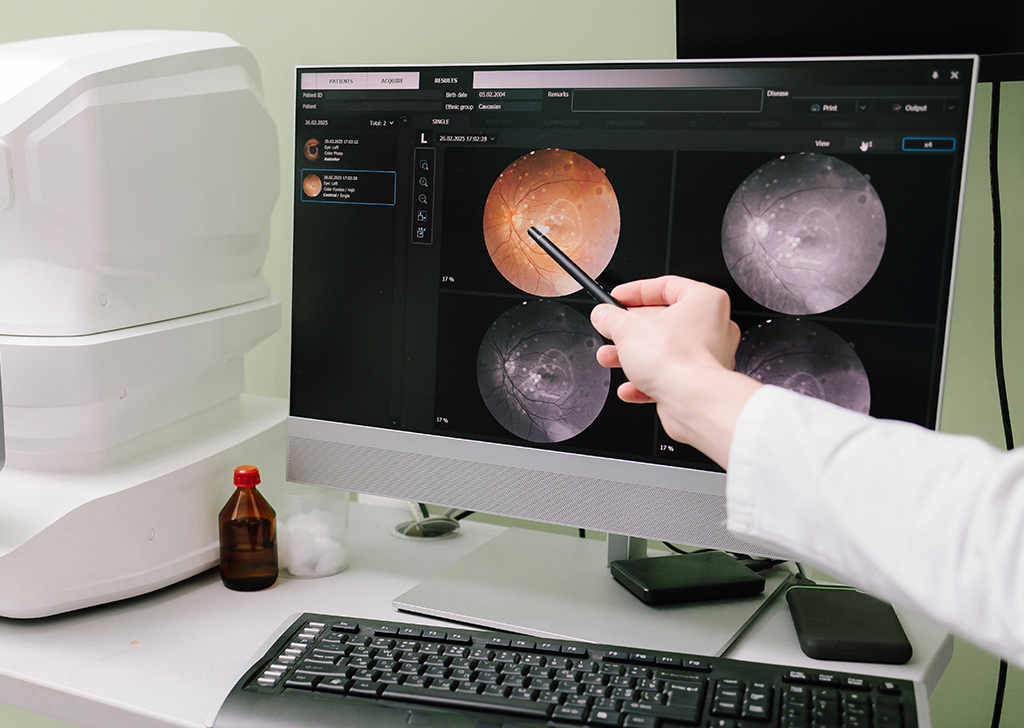
Eye Disease Management
Both optometrists and ophthalmologists treat many common types of ocular disease. However, for the best outcome, it’s important to see an eye doctor regularly. They can identify any issues before they become serious problems.
Learn More
Cataracts
If you’ve been diagnosed with cataracts, you may wonder if cataract surgery is right around the corner. Not to worry. There are many preventive steps you can take to slow the progression of cataracts and preserve your vision. That doesn’t mean you won’t eventually need surgery, but you can at least delay the need for quite a while.
Learn More
Macular Degeneration
Macular degeneration, commonly referred to as age-related macular degeneration (AMD), is the single largest cause of sight loss in the developed world and affects more than 10 million Americans.
Learn More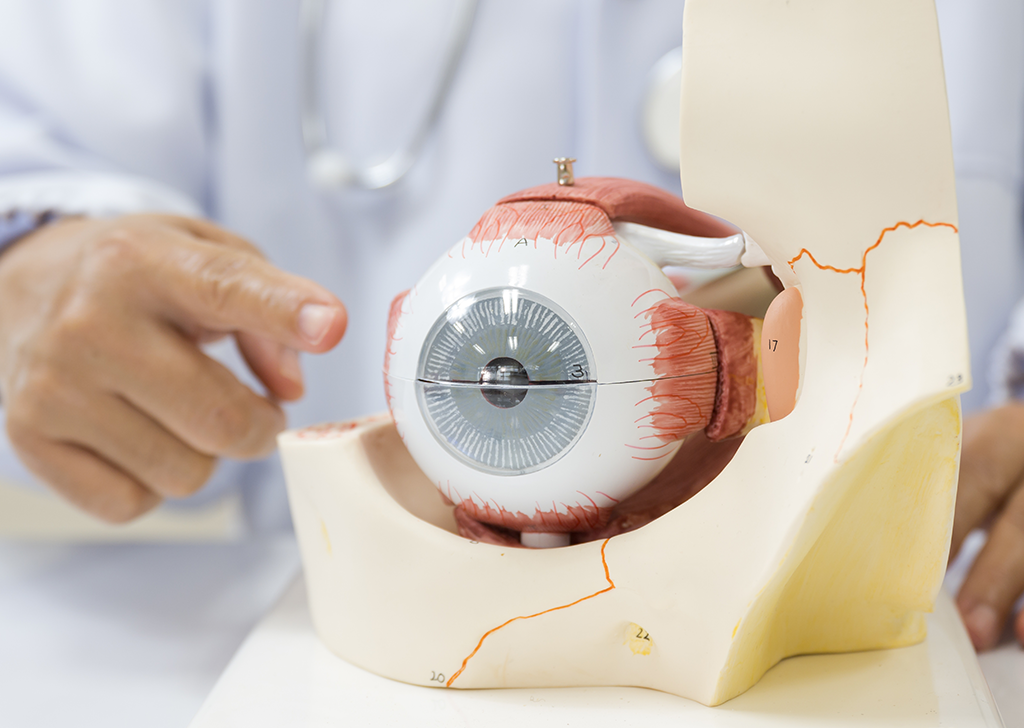
Glaucoma
If you’ve been diagnosed with glaucoma, you’re probably already familiar with the typical options in glaucoma treatment – eye drops, laser treatment or traditional surgery.
Learn More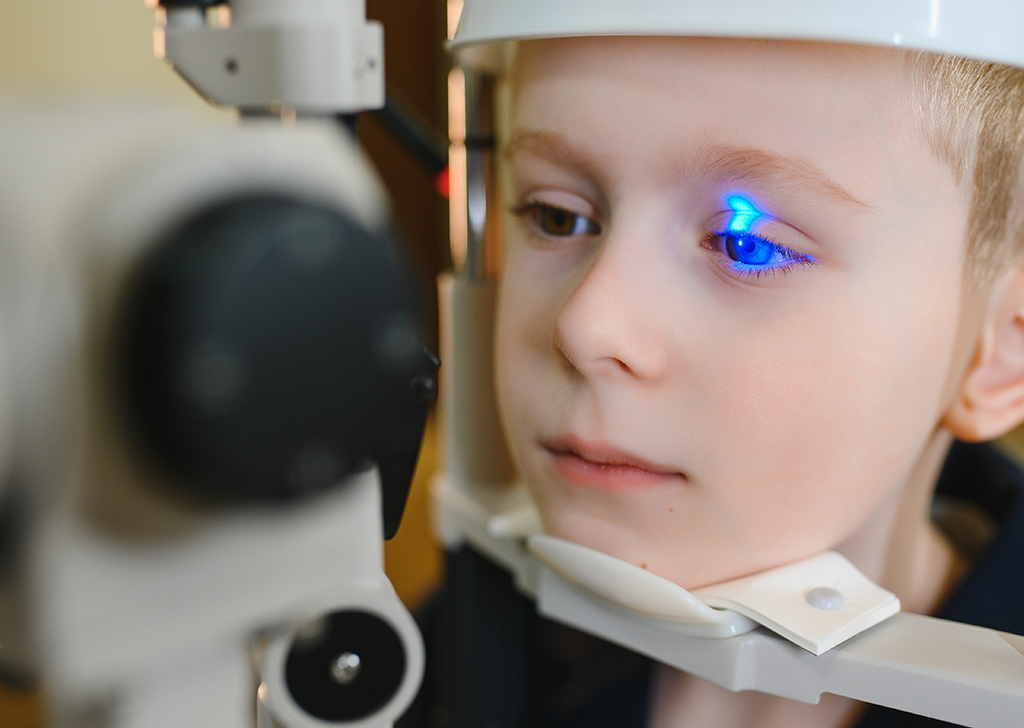
Pediatrics Eye Health Care
A thorough investigation of your child's overall health of the eye and the visual system is important since some childhood vision problems can lead to permanent vision loss if left untreated.
Learn More© 2026 Eyes on Grand. All rights Reserved - Accessibility Statement - Privacy Policy - Sitemap
Managed and Designed by 